| |
Reusable EEG Cup Electrodes:
|
| Supporting Signal Quality in Neurodiagnostic Practice |
 |
Reliable electroencephalography (EEG) begins with a stable connection between the electrode and the skin. Although amplifiers and recording software play essential roles, the quality of this interface can significantly influence the recorded signal. EEG measures electrical activity at microvolt levels. Unstable electrode contact, changes in impedance and cable movement can introduce artefacts that obscure cerebral activity and make interpretation more difficult. Electrode selection, application and maintenance are therefore important parts of neurodiagnostic practice.
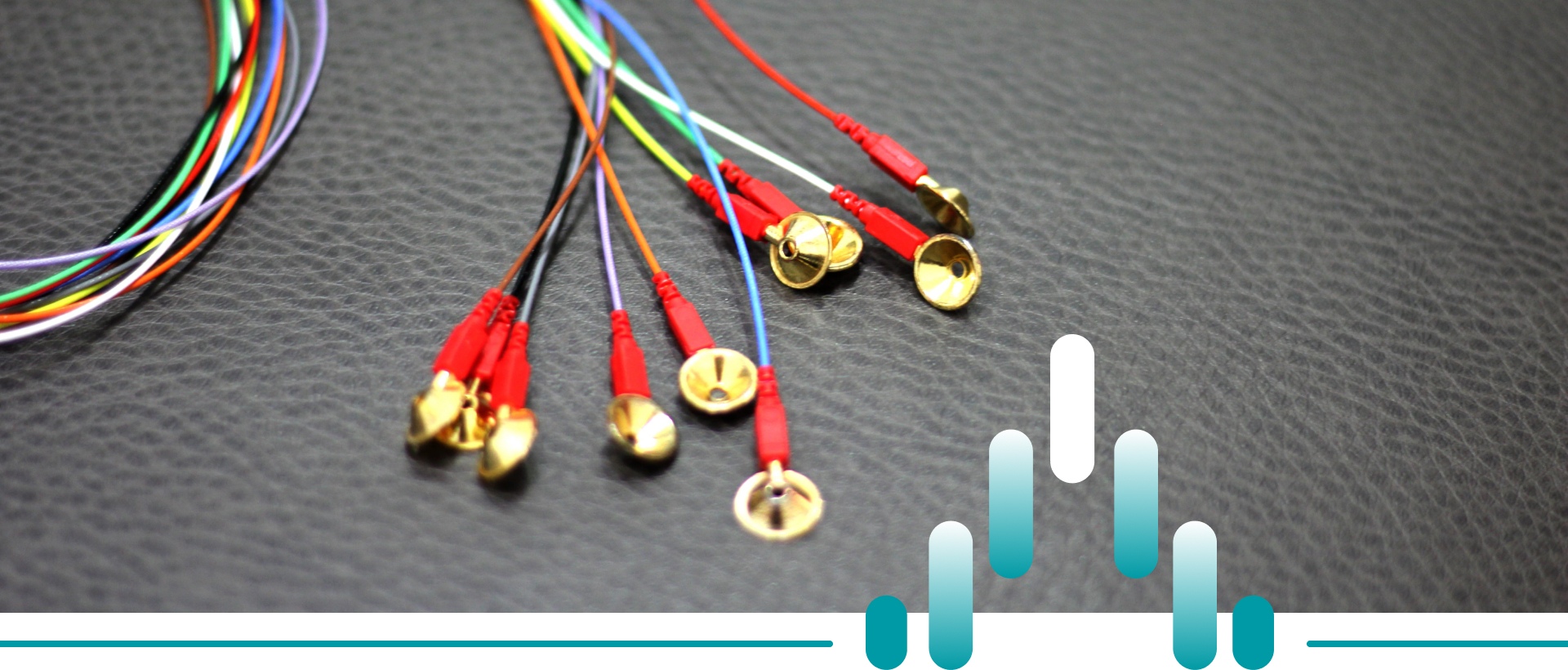
CNSAC’s EEG cup electrode range includes gold and silver/silver chloride (Ag/AgCl) options for clinical and research applications. Understanding the characteristics of these materials helps laboratories select electrodes appropriate to their recording requirements. |
| |
 |
| |
| What Electrode Material Matters |
|
| Electrode materials have different electrochemical and mechanical properties. These influence recording stability, handling requirements and suitability for repeated use. |
|
 |
| Gold Cup Electrodes |
|
Gold cup electrodes are an established option for reusable EEG recordings. Their corrosion resistance makes them suitable for routine clinical use when maintained according to the manufacturer’s instructions.
Recording quality still depends on appropriate skin preparation, conductive medium and secure placement. The condition of the electrode surface, cable and connector should also be checked regularly. |
|
|
|
 |
| Silver/Silver Cloride Electrodes |
|
Ag/AgCl electrodes are widely used in electrophysiological recordings because of their relatively stable electrode potential and low polarisation characteristics. These properties help limit electrode-related signal distortion.
As with other electrode types, their performance depends on the complete recording setup, including skin contact, conductive paste or gel, and cable management.y. |
|
|
|
 |
| Sintered Ag/AgCl Electrodes |
|
Sintered Ag/AgCl electrodes have a porous structure that increases the effective surface area in contact with the electrolyte. This can support stable electrical characteristics during recording.
However, electrode material alone does not guarantee low impedance or artefact-free signals. Application technique, patient movement and the condition of the conductive medium remain important. |
|
|
| |
| Maintaining Signal Quality During Extended Recordings |
|
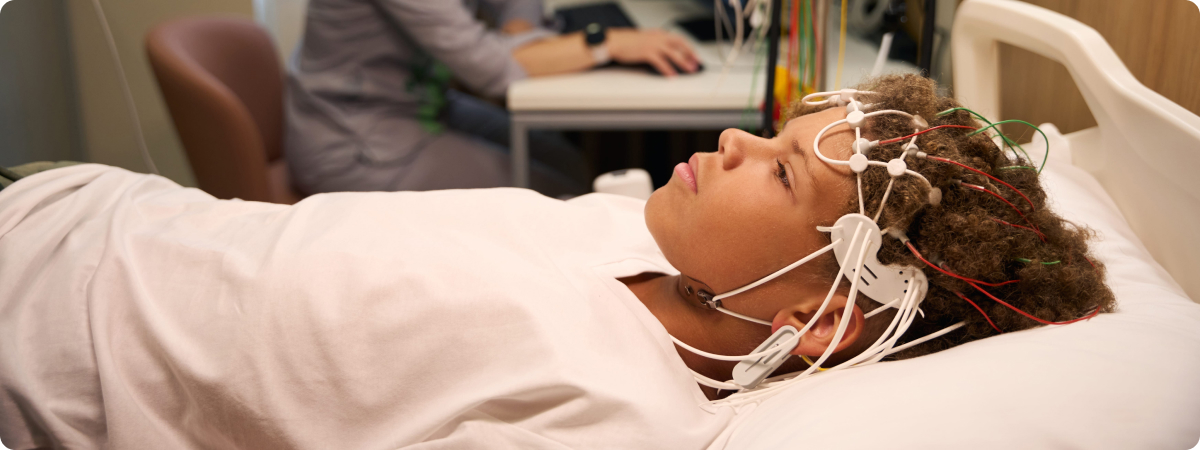
Routine EEG, prolonged video EEG and polysomnography present different recording requirements. Electrode placement and channel configurations vary according to the examination and laboratory protocol.
During longer recordings, common challenges include: |
|
- Deterioration of electrode contact as conductive paste or gel dries.
- Electrode displacement when the patient moves or changes position.
- Movement artefacts caused by tension on electrode leads.
|
|
- Intermittent signals associated with damaged cables or connectors.
- Additional recording interruptions for electrode adjustment.
|
|
|
| In sleep studies, maintaining electrode contact overnight supports the assessment of sleep stages and associated physiological events. In prolonged EEG monitoring, stable recordings help clinicians review cerebral activity with fewer electrode-related interruptions. |
| |
 |
| |
CNSAC EEG Cup Electrodes
CNSAC offers gold and Ag/AgCl cup electrodes for neurophysiological applications. Its sintered Ag/AgCl cup electrodes are described by the manufacturer as suitable for repeated clinical use, with shielded leads available in 75 cm and 200 cm lengths and packaging in sets of 10.
Potential applications include EEG, polysomnography, neurofeedback and neuroscience research, subject to the intended use and compatibility of the selected product.
Before ordering, laboratories should confirm the electrode material, connector type, cable length and reprocessing instructions for the exact product reference. Reusable & single-use electrodes must be identified correctly & handled according to their respective labelling. |
|
 |
|
| |
| Selecting Electrodes for Laboratory Requirements |
|
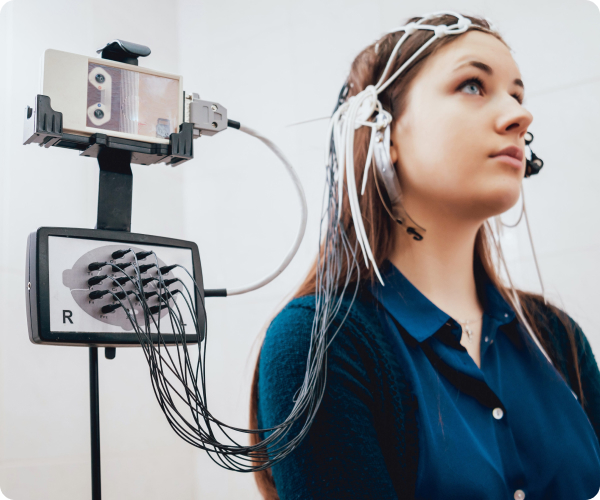
| The most appropriate electrode depends on the examination, recording duration and laboratory workflow. |
| |
| Electrode material |
Electrochemical properties and suitability for the intended recording |
|
| Cable length |
Sufficient reach without unnecessary slack or tension |
|
| Connector type |
Compatibility with the recording system or approved interface |
|
| Patient application |
Secure placement, skin condition and appropriate conductive medium |
|
| Reprocessing |
Manufacturer-approved cleaning and disinfection procedures |
|
| Electrode condition |
Integrity of the cup surface, insulation, cable and connector |
|
|
|
| Consistency across the electrode setup also matters. Laboratories should follow their recording system guidance and local protocols when selecting and applying electrodes. |
| |
| Practical Care and Handling |
|
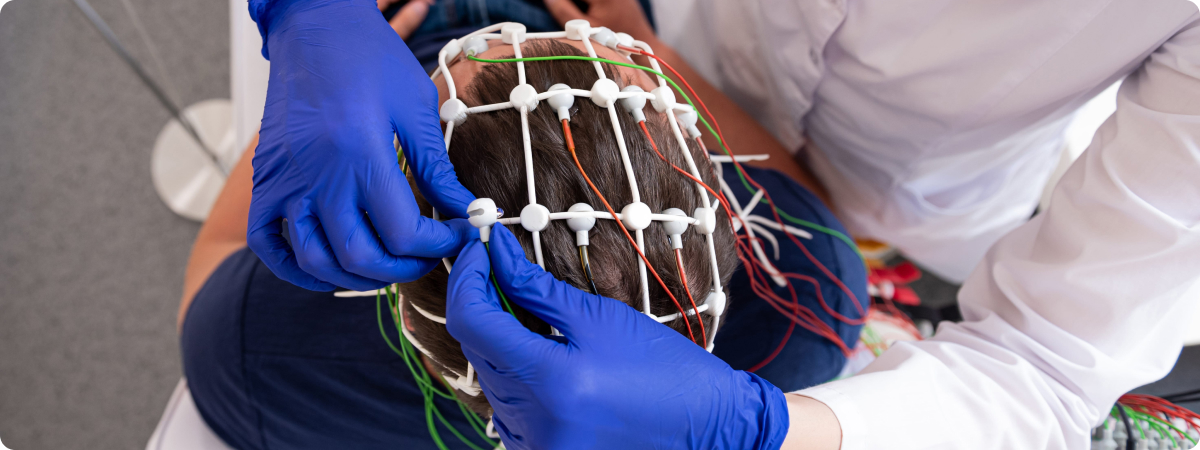
Good recording quality depends on consistent technique as well as suitable equipment. Staff should prepare the skin appropriately, apply the recommended conductive medium and check electrode impedance according to the laboratory’s protocol. Leads should be arranged to reduce pulling and movement at the electrode site. If a signal deteriorates, staff should assess electrode contact, conductive medium, cable integrity and possible sources of interference.
After use, reusable electrodes should be cleaned, disinfected, dried and stored according to the manufacturer’s instructions. Electrodes with damaged surfaces, loose connections or compromised insulation should be assessed and replaced where necessary. Reliable EEG recordings result from the combined performance of the electrodes, recording equipment and clinical team. Appropriate electrode selection, careful application and consistent maintenance help support interpretable signals and efficient neurodiagnostic workflows. |
| |
 |